
Cleaning journal
Steam Cleaning vs. Dry Carpet Cleaning: What’s the Difference?
Compare steam cleaning vs. dry carpet cleaning to understand the differences in cleaning methods, drying times, and stain removal. Discover which option best suits your carpet and cleaning needs.
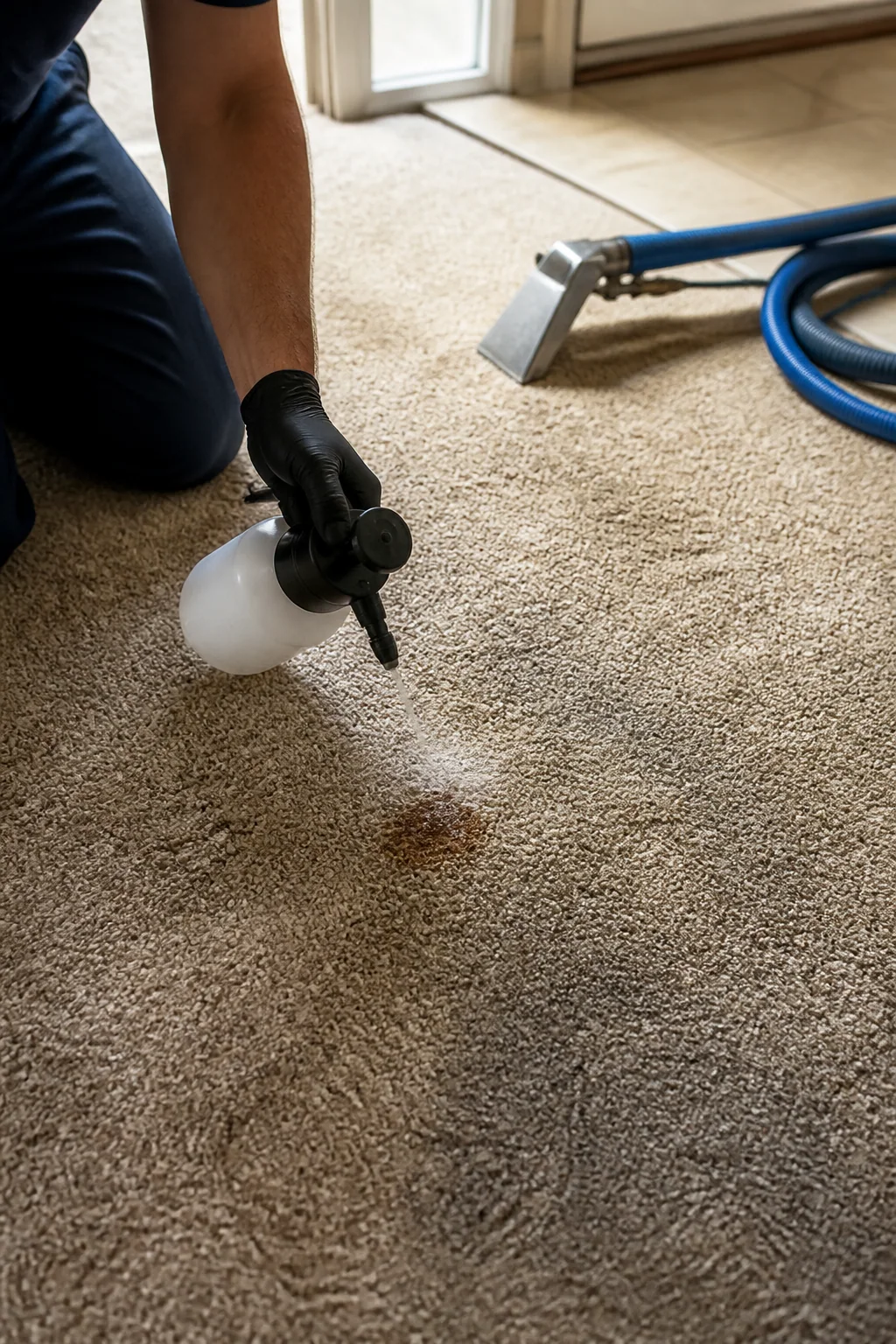
You need your carpets cleaned, but one company recommends steam cleaning while another suggests a dry method. Which one actually gives your carpet the deeper clean? Steam cleaning, also known as hot water extraction, uses water and powerful extraction to remove soil from carpet fibers. Dry cleaning, on the other hand, relies on little moisture and specialized cleaning compounds. The Carpet and Rug Institute recognizes hot water extraction as one of the professional systems used for residential carpet cleaning.
Steam cleaning and dry carpet cleaning differ mainly in moisture, drying time, soil removal, and carpet suitability. Both methods also vary in how they handle stains and cleaning residue. Understanding these distinctions gives you a clear picture of what separates the two methods before choosing between them.
How Steam Carpet Cleaning Works
Steam carpet cleaning follows a controlled sequence from the initial carpet assessment to the final check. Each stage serves a specific purpose in preparing the carpet, treating soiled areas, and completing the extraction process. The process typically involves:
- Inspection: Technicians assess the carpet’s fiber type, condition, stains, and areas requiring special attention.
- Pre-treatment: Suitable cleaning solutions are applied to loosen soil and spots attached to the fibers.
- Agitation: Mechanical action works the solution into the carpet to separate loosened particles from the fibers.
- Extraction: Heated water is injected into the carpet and recovered along with suspended soil and cleaning solution.
Understanding Dry Carpet Cleaning
Less water is used during this approach, with specialized compounds or cleaning agents applied to the carpet to loosen and capture soil. Depending on the system, the material is worked into the fibers before being removed with a vacuum or other equipment. Some methods use absorbent compounds, while others use encapsulating agents that surround soil particles for removal. The exact process varies by equipment, cleaning product, and carpet manufacturer’s care requirements.
Key Differences Between Steam and Dry Carpet Cleaning
Understanding how each method approaches carpet cleaning makes the comparison easier to follow. Both are established professional cleaning approaches, yet they are used differently and produce different cleaning experiences. Looking at their practical differences side by side gives you a clearer idea of what to expect from each method.
Water and Drying Time
Moisture levels create a noticeable difference in how long carpets remain damp after cleaning. Hot water extraction uses water to rinse the carpet before extracting it, so some moisture remains in the fibers afterward. Dry cleaning systems use much less moisture, which changes the amount of drying required once cleaning is finished.
For hot water extraction, the Carpet and Rug Institute recommends allowing 6–12 hours for the carpet to dry completely. Dry-cleaning methods generally have a much shorter drying period, often measured in hours rather than an overnight wait, depending on the specific system and how it is applied. Exact drying time still varies with ventilation, humidity, temperature, and the amount of moisture introduced during cleaning.
Cleaning Performance
Cleaning results depend partly on where the soil sits within the carpet. Surface dirt is easier to address than particles that have worked deeper into the pile, so the level of soil affects how each method performs.
Surface Soil and Routine Cleaning
Dry cleaning is well suited to carpets with light, loose soil and routine buildup. Its low-moisture approach lifts surface-level particles without leaving the carpet heavily damp. Hot water extraction also removes this type of soil effectively, particularly when the carpet needs a more thorough rinse.
Deep Soil Removal
Embedded soil presents a different cleaning challenge because particles become lodged deeper within the carpet pile. Steam cleaning is designed to flush suspended soil from the fibers and remove it through extraction, making it a common choice for carpets with heavier buildup. Dry cleaning methods also address deeper soil, although their effectiveness depends on the particular system, cleaning compounds, and carpet condition.
Stain Treatment
Stains require more than simply running a cleaning system over the carpet. Their composition, age, and interaction with the fibers affect how they respond to treatment. These differences become clearer in the following situations:
Fresh and Surface-Level Stains
Fresh spills are usually manageable with either method because the staining material has had less time to settle into the carpet. Dry cleaning works well for light surface marks, while hot water extraction provides a more thorough rinse after treatment. Neither method has a clear advantage for every fresh stain.
Set-In and Deep Stains
Steam cleaning generally has the advantage when stains are accompanied by deeper soil or residue within the carpet. Its combination of pre-treatment, hot water, and extraction provides a stronger overall flushing action than low-moisture cleaning. For heavily soiled or deeply affected areas, therefore, steam cleaning is typically the better choice.
Water-Soluble Stains
Coffee, juice, and many food-related stains respond well to water-based treatment because the cleaning solution loosens the staining material for extraction. Hot water extraction is particularly effective in this situation because it combines targeted treatment with thorough rinsing and recovery. Dry methods also address these stains, especially when limited moisture is preferred.
Allergen and Contaminant Removal
Contaminants embedded deeper in carpet require more than surface-level removal. Steam cleaning combines water-based cleaning with extraction, allowing loosened particles to be recovered from within the carpet rather than remaining on the surface. Dry cleaning also removes allergens and contaminants, but it may be less effective against those embedded deep in the carpet. For carpets where allergen and contaminant removal is a major priority, steam cleaning generally offers the more thorough approach.
Carpet and Fiber Considerations
Different carpet fibers respond differently to moisture, cleaning solutions, and mechanical action, which creates another distinction between the two methods. Synthetic carpets generally accommodate both approaches, while delicate fibers require more controlled cleaning conditions.
Hot water extraction provides effective deep cleaning for many synthetic carpets when the process matches the manufacturer's recommendations. Dry cleaning offers an alternative where minimizing moisture is important, particularly for carpets that require gentler moisture control. Wool and other sensitive fibers require greater care with either method, so the appropriate choice depends on the carpet's construction and approved cleaning instructions.
Cleaning Residue
Residue is mainly a difference in what remains on the carpet after the cleaning treatment is complete. Excess product from either approach can affect the carpet's feel and appearance if it is not properly removed. Differences become clearer when looking at the type of residue and how it affects the carpet afterward:
- Steam cleaning: Proper extraction leaves little cleaning solution behind, so carpets should not feel sticky or stiff after drying.
- Dry cleaning: Some dry compounds are designed to remain in the carpet briefly before being removed, making thorough post-cleaning removal important.
Cost and Practical Considerations
Choosing between the two approaches also involves practical factors beyond cleaning performance. Pricing, equipment, labor, scheduling, and room availability all affect what the service looks like in practice. Costs vary by provider and project, so there is no universal price for either option. The table below summarizes the main practical considerations side by side:
Consideration
Steam Cleaning
Dry Cleaning
Pricing
Based on carpet size and cleaning needs
Varies by system and service scope
Equipment
Uses hot-water extraction equipment
Relies on specialized low-moisture equipment
Labor
Involves treatment, cleaning, and extraction
Requires compound application and removal
Scheduling
Drying time needs to be factored into plans
Shorter drying allows greater scheduling flexibility
Post-cleaning use
Carpet needs several hours to dry
Rooms typically return to use sooner
Get Deep Carpet Cleaning From Orange County Carpet Cleaning
Steam cleaning and dry cleaning both have their place, depending on the carpet, soil level, fiber type, and preferred drying time. Dry cleaning suits situations where minimal moisture and faster room reuse matter most. Hot water extraction offers deeper soil removal and more thorough extraction for carpets that need a more intensive clean.
At Orange County Carpet Cleaning, we provide deep steam cleaning designed to remove embedded soil, stains, and contaminants from carpet fibers. We assess your carpet before cleaning and use the appropriate treatment and extraction process for its condition. Our goal is to leave your carpets thoroughly cleaned without relying on unnecessary treatments or steps. Contact Orange County Carpet Cleaning today to schedule a deep steam cleaning for your carpets.
Frequently Asked Questions
Is steam cleaning better than dry carpet cleaning?
Steam cleaning is generally better for carpets that need deep soil and stain removal. Hot water extraction reaches deeper into the carpet and removes loosened soil through extraction. Dry cleaning is more suitable when minimal moisture and faster drying are the main priorities.
How long does carpet take to dry after steam cleaning?
Drying time varies based on ventilation, humidity, temperature, carpet construction, and the amount of moisture used. Professional hot water extraction typically leaves carpets damp rather than heavily saturated. Good extraction and airflow help shorten the drying period.
Which carpet cleaning method is best for deep stains?
Hot water extraction generally has the advantage with deep stains, particularly when soil has also worked into the carpet. Pre-treatment loosens the affected material before extraction removes it. Results still depend on the type, age, and severity of the stain.
Will steam cleaning remove dust mites?
Hot water extraction can remove dust mites and other particles trapped within carpet fibers. Cleaning results depend on the equipment, temperature, extraction performance, and condition of the carpet. Steam cleaning should not be treated as a guaranteed way to eliminate every allergen from a room.
Which method is better for pet stains?
Hot water extraction is often preferred when pet stains involve deeper contamination or strong odors. Surface treatment alone may not address material that has penetrated below the visible carpet fibers. Severe urine contamination that reaches the backing or padding may require specialized treatment.