
Cleaning journal
How to Remove Common Carpet Stains: A Complete Guide
Learn how to remove common carpet stains, including coffee, red wine, grease, mud, pet urine, and chocolate. Explore practical cleaning tips and discover when professional carpet cleaning may be needed for stubborn stains.
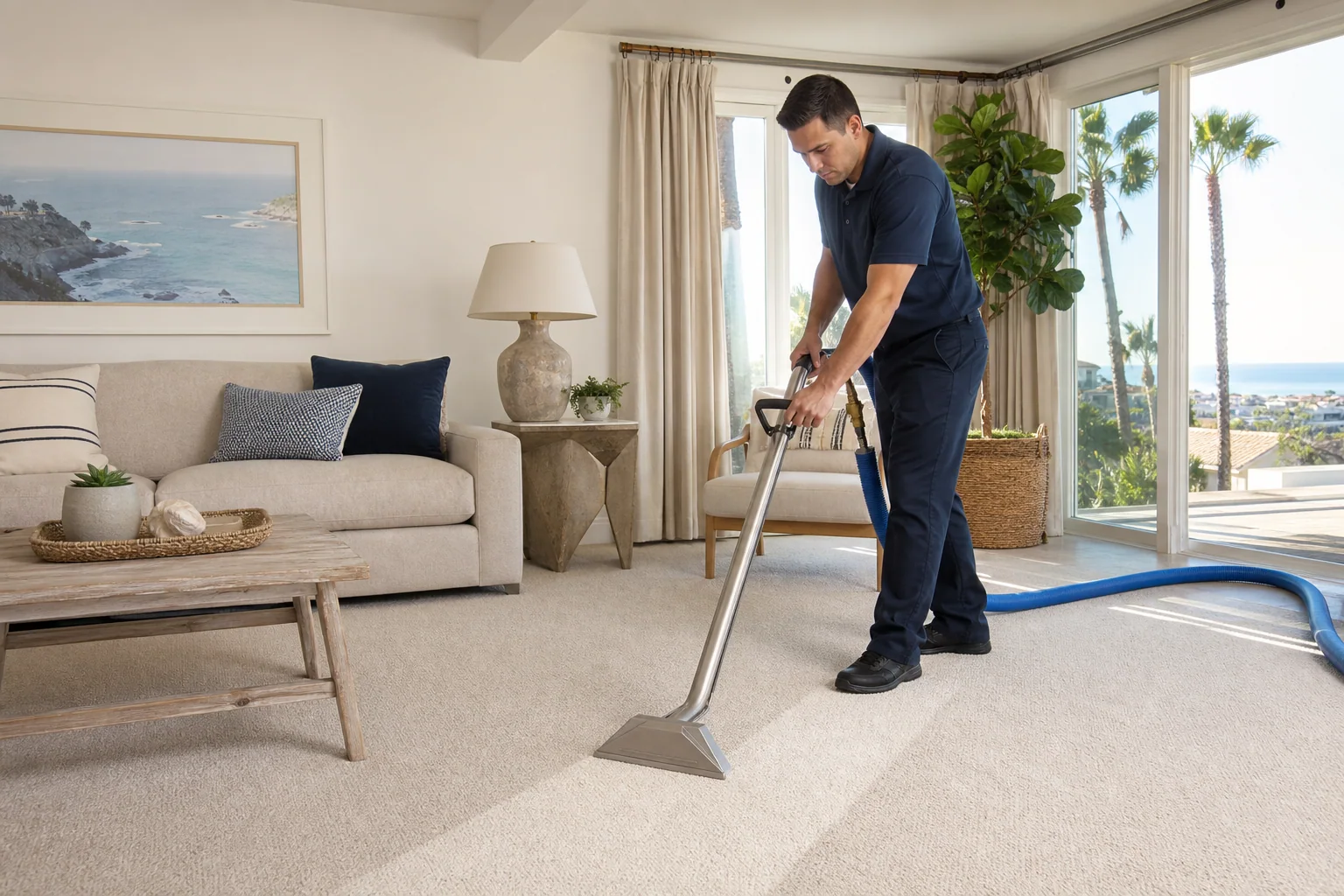
You spot a stain on the carpet and know it needs to be removed, but the next step is not always obvious. What should you put on it, how long should you leave it, and should you scrub or blot? These questions make carpet stain removal confusing, especially when the wrong approach spreads the stain or damages the carpet fibers.
Fresh spills are easier to remove before they soak into carpet fibers. Blotting excess liquid, using a suitable cleaner, and drying the area properly all help prevent the stain from setting or moisture from lingering. The right treatment also depends on the type and age of the stain. Coffee, red wine, grease, mud, pet urine, and blood each require different approaches, while stubborn stains often call for professional carpet cleaning in Orange County. Knowing what to use and how to treat each type of stain helps you remove it without making the problem worse.
8 Common Carpet Stains & How to Remove Them
Before treating a stain, identify what caused it and gather the supplies suited to the job. Having the right materials nearby makes the cleaning process easier and helps avoid using an unsuitable product on the carpet. Here's what you'll need:
- Clean white cloths or paper towels for absorbing spills and blotting treated areas
- Cool or cold water for treatments that call for water
- Carpet-safe stain remover suited to the specific type of stain
- Soft-bristled brush for gentle agitation when appropriate for the carpet
- Vacuum cleaner for removing dry dirt, mud, and loose debris
Each stain requires its own treatment, so check the recommended cleaner and technique before applying anything to the carpet.
Coffee and Tea Stains
Coffee and tea leave brown or yellow marks, particularly on light-colored carpet. Begin by pressing a clean white cloth against the spill to absorb as much liquid as possible without rubbing the fibers. Mild detergent loosens residue left behind after the initial blotting. After removing the excess liquid, apply a small amount of carpet-safe detergent solution and blot gently. Dab the treated area with clean water to remove any remaining cleaner, then absorb as much moisture as possible with a dry cloth. Let the carpet dry completely before checking whether any discoloration remains.
Mud and Dirt Stains
Wet mud needs different treatment from dry soil because moisture spreads dirt deeper into carpet fibers. Let the affected area dry completely before cleaning so you can remove the loose soil without spreading it. Follow this sequence once the mud has dried:
- Break up the mud: Gently loosen dried pieces without pulling at the carpet fibers.
- Vacuum the area: Remove the loosened soil and smaller particles with a thorough pass of the vacuum.
- Treat the remaining mark: Apply a carpet-safe spot cleaner according to its label, then blot with a clean white cloth.
- Rinse and dry: Dab with clean water, absorb the remaining moisture, and allow the carpet to dry completely.
Heavily soiled areas, repeated tracking, and deep-set dirt often need more thorough cleaning than spot treatment can provide.
Grease and Oil Stains
Water alone does little to remove cooking grease, oily food, and similar substances because these stains do not dissolve easily in water. Dry-cleaning solvent breaks down oil-based residue, although improper use can damage some carpet fibers or backing. Removing these stains safely usually involves several treatment stages:
Treatment stage
What to do
Remove excess oil
Press a clean, absorbent cloth against the stain without spreading the oil
Apply solvent
Put a small amount of commercial dry-cleaning solvent on a white cloth and gently dab the affected area
Transfer the residue
Move to a clean section of the cloth as the oil transfers from the carpet
Complete treatment
Follow the product directions for any required rinsing and drying
Check the solvent instructions before use because carpet materials differ in how they respond to cleaning products.
Pet Urine Stains
Pet urine leads to visible discoloration and lingering odor when it reaches the carpet backing. Older accidents become harder to treat because urine has more time to penetrate below the surface. Remove any dried residue first, then vacuum the affected area. Apply a small amount of carpet-safe cleaning solution to a white cloth and work gently from the outer edge toward the center.
Carpet and Rug Institute’s urine stain guidance also recommends pretesting cleaning solutions and rinsing the area with cold water after treatment. Deeply soaked urine stains sometimes affect carpet fibers or backing. Professional treatment is often necessary when odor or discoloration remains after careful spot cleaning.
Juice and Soda Stains
Sugary drinks create two separate problems on carpet:
- Sticky residue remains after the liquid dries
- Grape juice, fruit punch, and dark sodas leave noticeable color behind
Focus on the residue first by applying a small amount of carpet-safe cleaner and gently loosening the sticky buildup. Next, dab the discolored area with a clean cloth, moving to a fresh section as the color transfers. Check the carpet again after it dries and repeat the treatment only if visible discoloration remains. Rubbing spreads the stain and works residue deeper into the fibers. Excess moisture creates a similar problem, so use only enough solution to treat the affected area.
Blood Stains
For fresh blood, use cold water rather than warm or hot water, since heat can make the stain harder to remove. Blot the area with a clean cloth dampened with cold water, working carefully so the stain does not get pushed deeper into the carpet fibers. The University of Georgia Extension recommends using cool water and a mild detergent for blood stains on carpet.
If the mark remains, apply a small amount of carpet-safe detergent solution and continue blotting until no more blood transfers to the cloth. Avoid soaking the carpet, and test any cleaning solution on a hidden area first to check for color changes. Blood stains that do not respond to spot treatment require professional cleaning.
Chocolate Stains
Chocolate contains both solid particles and fat, so removing the visible pieces is only part of the job. Rubbing a melted stain spreads the greasy residue through nearby fibers and leaves a larger mark. Work from the surface downward, dealing with each part of the stain as it becomes exposed:
Let the Chocolate Harden
Allow melted chocolate to cool and solidify before cleaning. Hardened chocolate is easier to lift without spreading it across the surrounding carpet fibers. Avoid scraping while the chocolate is still soft because pressure can push it deeper into the pile.
Scrape Away the Hardened Chocolate
Use a dull knife or spoon to lift the solid chocolate from the carpet. Work slowly and scrape in one direction to loosen the pieces without pulling at the fibers. Remove as much of the hardened material as possible before treating the remaining mark.
Blot the Greasy Residue With Carpet Cleaner
Apply a small amount of carpet-safe detergent solution to a clean white cloth and gently dab the remaining stain. Move to a clean section of the cloth as the chocolate transfers from the carpet.
Allow the Carpet to Dry Before Repeating Treatment
Let the treated area dry completely before checking whether any discoloration remains. Repeat the spot treatment only if a visible chocolate mark is still present. Avoid adding more cleaner while the carpet remains damp, since excess moisture can complicate the treatment.
Red Wine Stains
Light-colored carpet shows red wine spills quickly, and delaying treatment gives the liquid more time to settle into the fibers. Focus first on removing the spilled wine rather than trying to clean the color immediately. Press a clean white cloth over the area and absorb as much liquid as possible, replacing the cloth as it becomes saturated. Once most of the wine has been absorbed, use small amounts of cool water to loosen the remaining residue. Blot with a clean section of the cloth each time so the diluted wine transfers out of the carpet instead of spreading across it.
7 Signs Your Carpet Needs Professional Cleaning
Some stains are easy to treat at home, while others remain despite careful cleaning. Persistent discoloration, recurring spots, and stains that have soaked deeper into the carpet often require more than household products. These signs can help you recognize when a stubborn stain needs professional treatment:
- Stains remain after several cleaning attempts, even when a suitable carpet-cleaning product is used correctly
- Spots reappear after the carpet dries, making the same area look stained again despite previous treatment
- Discoloration spreads beyond the original spot, turning a small spill into a larger or more noticeable area
- Dark rings develop around treated areas, leaving a visible outline after the carpet dries
- Deep spills reach the carpet padding, particularly when liquid stains or pet accidents soak through the carpet fibers
- Lingering odors stay after visible marks fade, especially with pet urine, vomit, and other organic stains
- DIY treatment changes the carpet’s appearance, leaving the area faded, discolored, rough, or noticeably different from the surrounding fibers
Remove Stubborn Carpet Stains With Orange County Carpet Cleaning
Carpet stains become harder to remove when they have dried, spread, or soaked beneath the carpet fibers. Professional carpet cleaning uses specialized equipment and stain-treatment methods to address marks that household products cannot fully remove. Orange County Carpet Cleaning targets stubborn stains with professional cleaning methods designed to lift embedded dirt, residue, and discoloration from carpet fibers. Contact Orange County Carpet Cleaning today for professional stain removal and get your carpet looking clean and fresh again.
Frequently Asked Questions
Can old carpet stains still be removed?
Old stains can sometimes be removed, but the result depends on the type of stain, carpet fiber, and how deeply it has soaked in. Previous cleaning attempts can also affect how easily the stain responds to treatment. Stains that remain after several careful attempts require professional cleaning.
Why does a carpet stain come back after cleaning?
A stain can reappear when the original spill has reached deeper into the carpet or padding. Moisture from cleaning can also bring residue back toward the surface as the carpet dries. Recurring spots are often harder to resolve with surface-level treatment alone.
How soon should I treat a carpet stain?
Treating a spill promptly usually gives you a better chance of removing it before it dries or settles into the fibers. Start by removing excess liquid or solid material without rubbing the area. Waiting until the stain has dried can make the cleaning process more difficult.
Why do some carpet stains get darker after cleaning?
Darkening after cleaning can happen when moisture draws soil or staining material back toward the carpet surface. Residue left behind by cleaning products can also affect how the area looks after drying. If the discoloration remains once the carpet is fully dry, professional treatment may be needed.
Can I use dish soap to remove carpet stains?
Dish soap is designed for washing dishes rather than cleaning carpet fibers. Using too much can leave a soapy residue that attracts dirt or becomes difficult to rinse out completely. A carpet-safe cleaning product is generally a better choice for spot treatment.